Metal Panel Material Delivery and Handling

Handle with Care

What You Need to Know about the Delivery and Handling of Metal Panels

As sturdy and resilient as metal panels are, there are a number of considerations that must be accounted for in order to maintain the integrity of the product, ensure on-time and cost-efficient delivery, and guarantee safe, effective installation. First, metal panels can do no good if they can’t be properly delivered to the jobsite—in pristine condition—where and when they’re needed. Second, once the panels do arrive, proper handling can be the difference between a successful job or problems before, during and after the fact. Here we’ll take a brief look at some of the main considerations related to the delivery and handling of metal panels that support the best possible outcome.

Delivery Considerations

The main conditions to confirm and questions to ask before placing an order and establishing delivery parameters include the following:

  1. Delivery location: Is delivery offered in your area or to your jobsite?
    • Is your location accessible? In other words, are there unsafe or impassible terrain or road conditions that prohibit the delivery of the materials?
    • Can you accommodate the size of the delivery vehicle? This includes making sure roads and entrances are large enough that delivery vehicles can pass through/access.
    • What are the delivery terms and conditions? Be sure you understand the requirements of your selected delivery method before signing on the dotted line.
    • Have you arranged for offloading or do you have people and equipment to handle this? Most delivery truck drivers are not equipped or trained in offloading metal panels, so it’s best to make arrangements with someone who knows how to properly get your material off of the delivery vehicle.
  1. Delivery method and carrier options
    • Do you know the options your manufacturer offers?
    • Have you confirmed the rates associated with each delivery option? As with traditional shipping, metal panel and component delivery costs can vary based on the type of delivery selected as well as your proximity to the place of origin.
  1. Proper packaging to provide protection against transportation damage
    • What packaging option is right for your order? You may want to consider the kind and quantity of material you’re ordering, its destination and end use when selecting how you’d like it packaged.
    • How much does packaging cost? This varies by the manufacturer. Some offer complimentary packaging, but it’s best to know about any potential costs beforehand.

Handling Considerations

Some key issues to bear in mind after delivery has occurred include:

  1. Exercise care when loading, unloading, storing and installing metal roof and wall systems.
    • Handle materials in such a way as to prevent bending, warping, twisting and surface/paint finish damage.
    • Do not drag panels on the ground or against each other; they should be picked up to be moved.
  1. Cutting metal panels
    • Follow manufacturer instructions at all times to keep from voiding the panel warranty. (ABC’s recommendation is to use a portable profile shear, especially for across-the-profile cutting of metal panels. Power shears, nibblers or hand snips that can follow the contour of the panel’s profile are also acceptable.)
    • Never cut the exposed end of a metal panel with a metal or abrasive saw. This will erode the Galvalume® coating, causing premature rusting at the cut edge.
  1. Worker Safety
    • Take appropriate precautions against potential hazards, which include:
      1. Moving and handling metal panels manually and mechanically, whether using conveyors, cranes, slings, forklifts and/or ladders
      2. Stacking metal panels/metal panel bundles
      3. Cut/exposed edges
    • Follow the manufacturer’s recommended safety measures, including any outlined protocols, recommended machinery, Personal Protective Equipment (PPE), etc.

Following the precautions provided above can help mitigate many potential pitfalls often faced. A little care upfront will inevitably lead to a much smoother process for all involved during every phase of the process. And always remember, the manufacturer is here to help; contact your local ABC representative today.

 

Metal Panels for Tiny Homes: Part 2

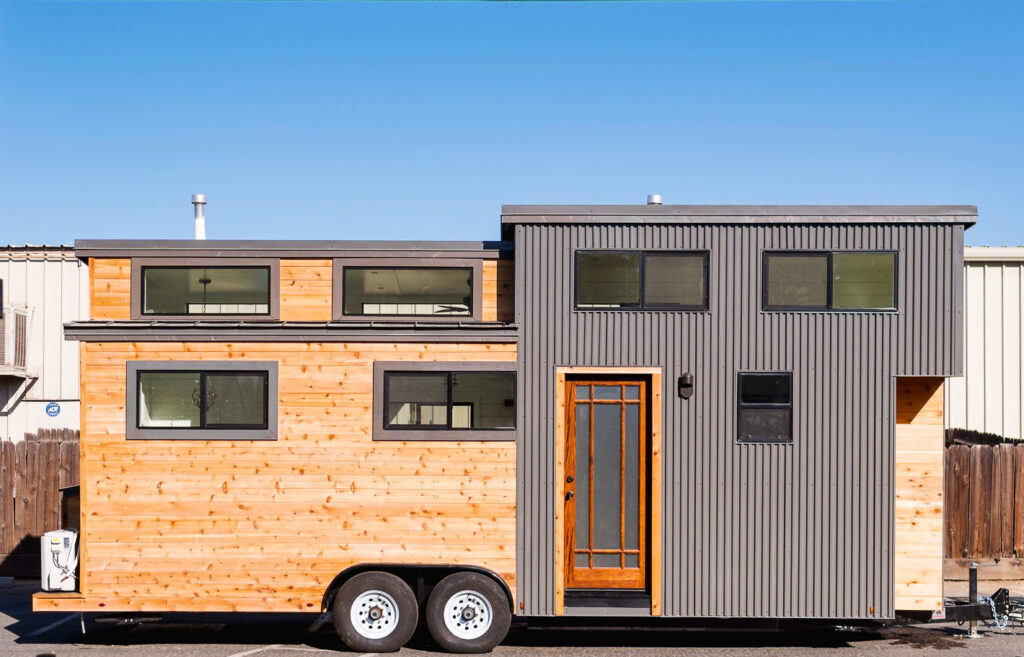
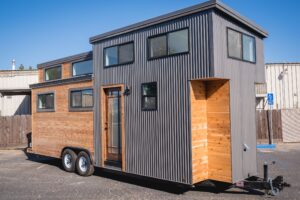
California Tiny Home

COPYRIGHT DC PHOTOGRAPHY STUDIOS.


In the first article in our three-part series on tiny homes we presented an overview of the tiny home trend, including lifestyle considerations and cost benefits. In the second installment, we discussed how tiny homes are built with the same types of materials, construction and aesthetics you find in larger, traditional residences. Metal panels—a popular material choice for tiny homes—provide advantages such as affordability, mobility and customization. Some additional factors in choosing metal panels for tiny home construction are weather, installation and maintenance. Here we’ll take a look at these considerations in a bit more detail.

Weather Considerations:

While building tiny homes in mild climates can be pretty straightforward, there are many built in locations that must take specific weather conditions into consideration. Just as with traditional homes, tiny homes exposed to freezing temperatures need to be winterized to keep everything functioning, and can be heavily insulated, built with air-tight, double-paned windows and designed and oriented for optimum sun exposure to keep the heat in. For warmer climates and seasons, tiny homes designed to optimize air flow and fitted with adjustable shading to protect you from the sun’s heat can be an addition to more traditional temperature regulation methods, which should of course be properly installed and serviced.

When it comes to preparing for extreme weather, there are very few additional precautions to be taken in comparison with traditional single-family homes. One exception is that tiny homes should be built with hurricane ties and straps, earthquake tie-downs and other anchors to secure the structure. Building to codes specific to any area you would plan to take your tiny home is vital to ensuring it remains undamaged and you remain safe.

The Metal Panel Difference: Metal panels from American Building Components are designed and manufactured with several environmental considerations in mind. For areas prone to hurricanes and other tropical activity, ABC offers wind-tested metal panels built to withstand gusts of up to 140 miles per hour. This strength and durability is also important for those who plan to haul their tiny homes on highways at high speeds. If heavy snow and ice are common during your winters, the fast-shedding nature of metal panel makes them ideal. Eco-friendly insulated metal panels for roof and wall applications and cool metal roofs can also help regulate the temperature of your home and offer additional energy efficiency. Metal panels are also fire resistant (unlike thatched roofs, which are a fire hazard) and can withstand hailstorms and other extreme weather events. Your metal roofing manufacturer can provide advice based on your environmental needs.

Installation and Maintenance:

Understanding the maintenance requirements of any building material used to construct a tiny home is essential to maximizing the lifespan of the structure, safeguarding your investment and reducing any headaches that could arise from poor planning and inattention to the detail. It is, therefore, important that you fully understand the material you are using and that you follow the manufacturer’s installation and maintenance instructions, which should be made readily available to you. Also, be sure to read and understand any product warranties to ensure you know about any exclusions or requirements.

The Metal Panel Difference: One caveat with metal panels for tiny homes is the precision that installers (or DIY’ers) need to use in order to get the most value out of the material. While metal panels require a greater level of accuracy during the installation process, the benefits far outweigh the challenges. Resources on how to install and care for metal panels are abundant. In addition to referencing the manufacturer’s installation manuals, you can check out their how-to videos and lean on their customer service team for support and installer recommendations.

To extend the lifespan and strength of metal panels for tiny homes, maintenance consists mostly of preventing and correcting issues such as damage from the build-up of debris as well as storm-related traumas like hail stones, falling branches, etc. For specific maintenance tips, check out our recent blog on metal panel maintenance.

The last word

The benefits metal panels offer make their use for tiny home building a no-brainer. While homes made from other materials lose value over time, metal roofs provide long-term performance and environmental benefits, cost efficiencies and extended durability for the tiny home community. For more information on ABC’s metal panels, visit our website or contact a representative today.

Metal Panels for Tiny Homes: Part 1

In our previous blog post on tiny homes, we looked at the tiny home trend and outlined some of the pros, cons and lifestyle considerations for those interested in pursuing this increasingly popular, yet untraditional approach to housing. One of the obvious benefits is affordability, as the mere reduction of square footage lowers costs in terms of materials, labor, energy and maintenance, to name a few. Tiny homes are built with the same types of materials, construction and aesthetics you find in larger, traditional residences. Not surprisingly, metal panels are a popular material choice. Here we’ll look at the mobility and customization aspects of tiny homes and the additional advantages of choosing metal panels for tiny home construction.

Mobility

Tiny homes are typically built on trailer platforms with wheels (instead of a foundation), enabling them to be driven across the country. This mobility, however, demands that these homes are built to endure the hurricane-force winds of high-speed highway travel … no easy feat for any home.

The Metal Panel Difference: To ensure they can travel 65 mph on highways into 20 mph winds (the equivalent wind-load of a stationary house during a hurricane), many tiny home builders are turning to metal panels instead of more traditional building materials. Unlike with asphalt composition roofs, metal roofs do not need to be covered every time they’re moved as there is no concern over losing shingles while in transit.

Customization

Most homes purchased these days are significantly customizable and tiny homes are no exception. In addition to traditional customization like varying floor plans, paint color, floor material, fixture style, and interior and exterior decoration, there are also many eco-friendly customization options. Tiny homes can be built by recycling previously-used structures like shipping containers and transforming them into a living space, and can feature rainwater collection systems, composting toilets and solar array options for those looking to take their tiny homes “off the grid”. Tiny homes can also be made to be fully wheelchair accessible, as well as infant and toddler-friendly.

The Metal Panel Difference: A common misconception is that metal panels are only suitable for commercial applications. However, because they are available in a wide variety of styles, profiles and colors, metal roof and wall panels complement any residential structure, including tiny homes, making it easy to find the look that’s right for you. Beyond color choice and overall aesthetics, metal panels are manufactured and produced to provide a higher-quality building material option, giving you the aesthetic you want along with the durability you need.

The last word

The benefits metal panels offer make their use for tiny home building a no-brainer. While homes made from other materials lose value over time, metal roofs provide long-term performance and environmental benefits, cost efficiencies and extended durability for the tiny home community. For more information on ABC’s metal panels, visit our website or contact a representative today.

In the next installment of our Tiny Home series, where we go into further detail about the considerations and advantages of metal panels for tiny homes. Metal Panels for Tiny Homes: Part 2 will provide practical guidance on weather considerations, installation and maintenance.

Maintaining, Cleaning & Repairing Metal Panels

Understanding the maintenance requirements of your metal panels is essential to maximizing the longevity of your investment with the least amount of hassle. While metal panels have been engineered to provide decades of trouble-free protection, they can suffer damage from the build-up of debris as well as storm-related traumas like hail stones, falling branches and ice dams. To extend the lifespan and strength of metal panels, maintenance consists mostly of preventing and correcting these issues.

metal roofing maintenance tips

 The importance of regular inspections

Regular inspections are critical to identifying damaged panels and accumulated debris that can trap moisture, causing corrosion over time. To prevent this, a visual inspection should be performed in the spring and the fall of each year, as well as after major weather events to identify issues. Take a walk around the structure and look for leaves, branches and other debris piled up on the roof, including in valleys, gutters and downspouts, as well as behind chimneys and/or other protrusions. While you can perform this type of inspection yourself, please keep in mind that metal panels—particularly metal roofs—should be professionally inspected every four to five years depending on your geographic location. If you live in a coastal or humid area more prone to corrosion and rust, professional inspections should be done more frequently to prevent the rust from spreading and causing structural damage to the panels.

In addition to debris, keep an eye out for scratched or dented areas, as well as for loose screws and seams that look like they are separating. (If you can’t make out the details from the ground, try using a pair of binoculars.). Use the manufacturer’s recommended touch-up paint to correct scratches as they can quickly degrade the surface protection and jeopardize the longevity of metal panels. If the panels have separating seams or holes, first check to see if the repair is partly or fully covered by your warranty. Unless you are experienced in metal roof repair and possess a thorough knowledge of the products and techniques that can be used without voiding the warranty, it is recommended that you engage a metal panel repair specialist to make the repairs. If you decide to undertake the work yourself, it is also important to remember that these fixes are, at best, temporary and should be addressed by a professional recommended by the metal panel manufacturer.

Cleaning metal panels

Keeping metal panels clean is one of the best ways to ensure they last as long as possible. When cleaning metal roofs and walls, using a non-pressure cleaning method with detergents recommended by the metal panel manufacturer is ideal. It is not advisable to use metal tools such as rakes to remove debris. This is likely to scratch the paint, reducing the panels protection from the elements and other damaging factors. Using a leaf blower to remove debris is a common choice, but a long-handled push-broom or a telescoping pole with a window cleaning brush will also do the job. Ideally, the tool should be one that lets you do the removal from the ground, but if you absolutely must walk on the roof then only step on the flat areas. If there are areas you can’t access yourself—particularly slanted areas that have been made slippery with cleaning solutions—hiring a professional service to do this once or twice a year is the safest option.

To reduce the chance of further damage and keep your panels cleaner over longer periods of time, trim tree branches as far back from the building as possible. This is especially important for large, unhealthy branches that could break off during high winds and cause damage.

Proper snow removal

There are—of course—considerations that must be made for metal buildings located in colder climates. After a winter storm, it’s a good idea to remove standing snow from the roof. This is doubly important on older homes where poor attic insulation can lead to ice dams. An ice dam forms when heat escaping from inside the attic warms the roof and melts the bottom layer of snow. The snowmelt then re-freezes, creating a dam that traps water which can work its way into seams between panels and around flashings.

Warranty considerations

It’s always smart to reference the metal panel manufacturer’s warranty to be sure you don’t use any products or tools that will void your warranty. They should also provide instructions and advice specific to the panels and application(s) you’ve selected to ensure you get the most out of their products with the least hassle.

For more information on metal panels, check out ABC’s FAQ page. For more on our metal panels and accessories, please visit our product pages or contact your local representative today.

Your Guide to Steel-Curtain Roll-Up Doors

No building is complete without a door. In this blog, we investigate steel-curtain roll-up doors and how they deliver form and function across a wide variety of uses.

What are Steel-Curtain Roll-Up Doors?

You see them everywhere. They’re used at your local schools, recreation and retail centers, and government, medical and office buildings. They provide access and security for storage units whether applied in backyard sheds, residential garages or commercial storage facilities. And, they are also an integral part of agricultural structures, transit stations, freight buildings and warehouses.

Made of a curtain (sheet) of durable, secure steel and designed to provide quick, easy access to both commercial and residential buildings, these doors open by traveling vertically, but gather into a roll at the top of the door instead of sliding along tracks. And while they can be used in a myriad of applications, with so many door options available in the marketplace today, why are so many people opting for steel curtain roll-up doors?


Why Steel Roll-Up Doors?

Long-term Value:
Roll-up doors made of steel are generally less expense to purchase initially and they save money over the course of their lifespan. Not only do they last longer, but they also require fewer, less expensive repairs and are more durable than wood, aluminum or fiberglass products—particularly in challenging environments. In addition, steel is more energy-efficient, saving on heating and electricity costs throughout the year.

Security:
Exterior doors are inherently the most vulnerable points of many buildings, so reducing the likelihood of theft, fire, vandalism and contamination is the best way to keep your property secure. More impenetrable than doors made from wood, fiberglass or aluminum, steel doors with standard stainless steel latches are better able to protect against unwanted entry, fire, noise, vandalism and contamination from exterior elements, providing reliable security and peace-of-mind.

Durability:
Steel is a resilient material manufactured to protect against extreme weather conditions and harsh usage environments. Unlike doors made from other materials, steel roll-up doors can endure the wear and tear of heavy traffic usage and can be outfitted with rust-resistant components including spring coatings and bottom bars to further extend their longevity.

Longevity:
While wood doors are susceptible to warping and rotting, aluminum doors can quickly become dented and fiberglass can easily crack—all of which require replacement—with proper installation and maintenance, metal doors can last 30 years or longer. The high-quality primers and paint coatings used on steel doors protect against chipping and scratching, keeping the doors looking better longer.

Easy Maintenance:
Steel roll-up doors require little-to-no maintenance and are easily replaceable—making them one of the most reliable, cost-effective options in the industry. ABC’s doors are unique in that they feature gear-driven tensioning brackets that ensure safe and easy adjustments that can be made on site and with minimal down time.

Appearance:
Steel roll-up doors are available in a wide variety of sizes, styles and colors. In addition, manufacturing improvements and advances in coating and paint products enables customization to suit even the most unique aesthetic requirements.

Space-Savings:
Because roll-up doors open vertically and are gathered into a roll instead of sliding along tracks, they take up little overhead space while enabling convenient and easy access.


How to Select the Right Steel Roll-Up Door:

Whether you are replacing doors on an existing building or sourcing them for a new project, be sure to consider the below factors before purchasing:

Use:
The door you need will depend on its intended use. Light-duty doors are manufactured to meet the specific and unique demands of small structures, portable buildings or recreational facilities while heavy-duty doors meet the needs of more demanding environments like commercial freight and utility buildings, warehouses and agricultural facilities.

Environment:
It is vital to consider your geography when selecting steel roll-up doors. If your project is located in a region susceptible to high winds from weather events including hurricanes, tropical storms and tornadoes, a wind-rated door tested in accordance with International Building Codes and that complies with your insurance requirements should be considered. Check both local and national building codes to understand if you need wind-certified doors, which can dramatically reduce maintenance and replacement costs as well as minimize downtime.

Warranties:
Be sure that you are familiar with and fully understand the warranty options available on the products purchased. It is common for doors and door components to be covered by a product warranty, while the coil coatings and paint are warranted under a second that should include considerations for film integrity as well as both chalk and fade.

To learn about ABC’s roll-up door solutions, visit our Roll-Up Doors product page or contact your local sales representative.

Galvalume® vs. Galvanized Metal Roofing

Galvalume® vs. Galvanized Metal Roofing

Selecting metal panels made from high-quality materials is essential to the longevity and success of your customer’s metal roofing system—from the steel sheets to the fasteners. Although the quality of the paint system applied to metal roofing panels provides an essential level of protection (as discussed in our recent ‘Decoding Your Warranty’ blog series), not to be overlooked is the coating used on metal roofing panels. Two coatings are commonly used on steel sheeting in the metal panel industry today: Galvalume® and Galvanized. Both products are manufactured to adhere to carbon sheeting and provide a barrier that resists corrosion. Additionally, they enhance long-term water-tightness and durability, ensuring resilience through damaging weather conditions. But what exactly are the differences between Galvalume® and Galvanized?

What is Galvalume® metal?

Introduced into the construction marketplace by Bethlehem Steel in 1972 and now widely available around the world, Galvalume® is carbon steel sheeting coated with aluminum-zinc alloy by a continuous hot-dip process. Composed of 55 percent aluminum and approximately 45 percent zinc, this coating combines the best properties of both metals. It has the corrosion resistance, high temperature oxidation resistance and heat reflectivity typical of aluminum coatings, with the formability and galvanic protection of cut edges characteristic of zinc coatings. This combination makes it ideal for most types of roofing and siding. In addition, the coating also contains a small but significant amount of silicon in the alloy—not to enhance the corrosion performance, but to ensure optimal coating adhesion to the steel substrate when roll-formed, drawn or bent during fabrication.

 What is Galvanized metal?

Galvanized Sheet is carbon steel sheet coated with zinc on two sides by a continuous hot-dip process. This method tightly adheres the coating to the steel with an iron-zinc alloy bonding layer formed by a diffusion process while the heated steel strip is in contact with the molten zinc.

What is the difference between Galvalume® & Galvanized roofing?

While both products were developed to essentially sacrifice themselves to protect the steel sheeting they coat, the above exposure comparison shows that Galvalume® performs (up to nine times) better in fighting corrosion as compared to Galvanized coating. While Galvalume® can initially show signs of corrosion faster than Galvanized, it has a sacrificial property that will prevent the corrosion from growing whereas once corrosion has started on a Galvanized panel, it can continue to corrode until panel integrity is lost. According to a study released by the Metal Construction and Zinc Aluminum Coaters associations, the longevity of a low-slope unpainted Galvalume® standing-seam roof is 60 years  (See the full report.)  Additionally, primer and paint adhere better to Galvalume®-coated panels and they carry a 20-year limited warranty while galvanized panels do not, making them a smarter long-term investment for your customers’ homes, agricultural buildings or commercial properties.

Important Facts About Galvalume®

  • Galvalume® should not come in direct contact with: standing water, dissimilar metals (copper, lead, iron), harsh chemicals, graphite pencil, masonry products or treated lumber.
  • Proper roof inspections and maintenance is still required, as with any other roof system.

Its versatility, ease of use, aesthetic appeal and long-term, service life-extending performance makes Galvalume-coated steel roof panels the most economical and sustainable coating option for your customers’ new and retrofit applications. To learn more about Galvalume®, please visit  http://www.galvalume.com/. To view ABC’s Galvalume® Plus products, which are easy to form and install safely due to the thin, clear acrylic coating that allows them to be roll-formed dry without vanishing oil, please see our color resources and Galvalume® warranty information.

Decoding Your Warranty: Paint Chalking

The third and final element of our “Decoding Your Warranty” blog series covers paint chalking. As with fading, chalking is an expected occurrence with any paint system that is subjected to outdoor exposure, and while it may be preferable to other issues such as cracking or peeling, it is still important to the metal roofing industry and its customers. As a result, similar questions should be asked about how this is addressed in paint system warranties to ensure chalking isn’t the cause of premature damage to your metal roof system.

What is paint chalking?

Also referred to as “powdering”, chalking happens when the resin (binder) of the paint system is compromised. The resin is the substance that holds the paint pigment together. It also ensures the color is evenly distributed and provides glossiness, durability and flexibility. In addition, resin has the very important job of adhering the pigment to the metal surface it’s applied to and protecting the finish against damage.

When the resin at the surface of the paint finish deteriorates, most often as a result of exposure to ultraviolet (UV) rays, the embedded pigment particles lose their adhesion to the paint film (resulting in color fading) and the resin particles take on a white (chalky) appearance that is easy to wipe off of the surface. In addition, chalking can erode the film resulting in a loss of substrate protection and run down onto the underlying structure, further degrading the appearance of your structure.

How can you protect against paint chalking?

Climates that are exposed to more intense UV rays for longer periods of time will experience chalking sooner as the environment plays a big role in how painted metal will perform. While you may not be able to control how much UV or moisture exposure your roof gets, you can choose a paint system that is not over-thinned or over-spread and that uses high quality components. ABC’s Signature® 200 system incorporates a 30 percent SMP Resin—one of the strongest in the marketplace—to help reduce the amount of chalking experienced.

Similar to the fading section of the warranty, paint system warranties allow for an acceptable amount of chalking. Chalking is measured in accordance with the standard procedures as defined by the “Standard Methods of Evaluating Degree of Chalking of Exterior Paints”, ASTM D4214. ABC guarantees the level of chalk on vertical panel applications will not chalk in excess of a numerical rating of eight (the higher the numerical rating, the better) for 30 years for our Premium paint system colors and 25 years for our Select40 paint system colors. For non-vertical panel applications, ABC guarantees a rating of 6 for 30 years for our Premium paint system and 25 years for our Select40 paint system. Consumers should be aware of these numbers, and expect them to be expressed in sample warranties.

Check out ABC’s metal color resources and warranty information to learn more!


Missed parts one and two of the “Decoding Your Warranty” blog series? Start reading now!

MCOMP-108 ABC Warranty Blog Series_CTA Button Graphics-PART1

Decoding Your Warranty: ABC Paint Film Integrity

With a 40-year limited paint system warranty, the ABC Signature® 200 offering represents one of the most sophisticated siliconized, modified polyester (SMP) paint coating and warranty protection products in the industry. But do you understand what it means to have a 40-year warranty?

To comprehend your coverage options, you first need to know what a “40-Year Warranty” means in the industry. This limited warranty covers the film integrity of the paint system used on your wall and roof panels in case of cracking, checking and peeling for a period of 40 years. Most manufacturers of metal roofing have this basic warranty available, however—as with any warranty—the most miniscule details can impact the overall effectiveness and value.

To select the right protection for roofing or building projects, ask questions to confirm your understanding of the warranty coverages and options before purchase. Some pertinent questions to consider include:

  • Are there any exceptions to the warranty?
  • Are all colors covered?
  • What are the limitations of the warranty?
  • What are the financial implications of not abiding by the warranty?

The answers to these questions and additional coverage information should be readily available and provided to you by the supplier. Keep in mind that all 40-year warranties—while generally similar—are not equal; it’s essential to thoroughly investigate the product’s warranty details to ensure the best property protection is received.

We encourage you to view ABC’s warranties on our website. You can also learn more about the proper handling of ABC’s metal panels by reading the product installation manuals. The precautions in the manuals can help save time, heartache and, of course, money.

Warranty Image_RevA_032016

What’s next?

How well paint adheres to the substrate is not the only concern for many metal wall and roof panel consumers; homeowners often ask us about the fading of the paint system and the factors that should be considered when purchasing.

In the next installment of our “Decoding Your Warranty” blog, we will discuss fading in more detail and provide insight into this commonly overlooked factor in warranties.

MCOMP-108 ABC Warranty Blog Series_CTA Button Graphics-PART2